Health and Safety Policy for Lampton Storage
 Lampton Storage is committed to maintaining a safe, healthy, and secure environment for employees, customers, contractors, and visitors. This health and safety policy sets out the standards expected across all storage operations, including warehouse handling, customer access areas, loading points, and administrative spaces. The purpose of this policy is to prevent accidents, reduce risks, and promote safe working practices at every stage of daily activity.
Our approach is based on proactive risk management, clear responsibilities, and consistent training. We will take reasonable steps to identify hazards, assess risks, and implement control measures that protect people and property. A strong safety culture depends on awareness, communication, and every individual understanding their role in keeping the site safe.
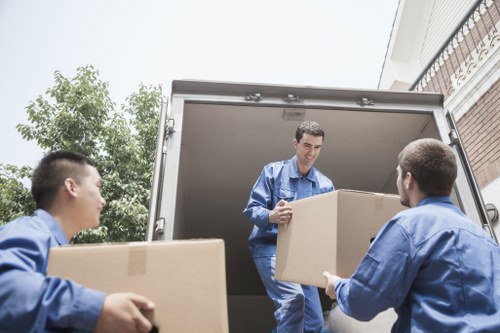 This storage safety policy applies to all persons on site, including staff, agency workers, suppliers, maintenance personnel, and customers using storage services. Everyone is expected to follow site rules, use equipment correctly, and report unsafe conditions immediately. Where needed, additional controls may be introduced to address specific storage risks such as manual handling, fire safety, restricted access, or vehicle movement.
Responsibilities
The management team is responsible for ensuring that the Lampton Storage safety policy is implemented effectively and reviewed regularly. Managers must provide suitable equipment, safe systems of work, and appropriate supervision. They are also expected to ensure that hazards are identified, incidents are investigated, and corrective actions are taken without delay.
Employees are responsible for working safely, following instructions, and using protective measures where required. They must not take shortcuts, misuse equipment, or ignore hazards. Every team member should contribute to a safer workplace by keeping work areas tidy, reporting defects, and cooperating with safety procedures. In this way, the policy becomes part of everyday practice rather than a document stored away and forgotten.
 Customers and visitors must also behave responsibly while on site. They should remain within authorised areas, follow signage, and comply with any instructions given by staff. Any person who observes a dangerous condition, spill, obstruction, or equipment fault should notify the nearest responsible person as soon as possible. Quick reporting helps prevent harm and supports continuous improvement.
Risk Control Measures
Risk assessment is central to our health and safety management. Before introducing new activities, equipment, or storage arrangements, we will consider potential hazards and determine suitable controls. These may include segregation of pedestrians and vehicles, safe stacking procedures, clear aisle management, inspection routines, and limits on access to hazardous areas. Controls will be updated whenever conditions change.
Manual handling is a key concern in storage environments, so we will encourage safe lifting techniques, provide suitable aids, and reduce unnecessary heavy handling wherever possible. Staff will be trained to assess loads, plan movements, and ask for assistance when required. This helps lower the chance of strain injuries and supports a more efficient workplace. Equipment used for handling goods must be maintained in safe working order and checked before use.
Fire safety is another priority. Storage areas must be kept free from sources of ignition, escape routes must remain clear, and fire equipment must be accessible at all times. Staff should know how to respond to alarms and follow evacuation instructions calmly and quickly. Regular testing, inspections, and housekeeping standards are essential to maintaining readiness. 
Training, Supervision, and Communication
We will provide appropriate training so that staff understand the hazards associated with storage activities and know how to manage them safely. Training may include induction, manual handling awareness, safe use of equipment, emergency response, and reporting procedures. Refresher sessions will be arranged when necessary to keep knowledge current and reinforce safe habits.
Supervisors will monitor work practices and intervene where unsafe behaviour or conditions are observed. Clear communication is essential, especially during busy periods, deliveries, or operational changes. Safety notices, briefings, and signage will be used to reinforce important messages. A well-informed workforce is more likely to recognise risks early and act responsibly.
Housekeeping also plays an important role in safe storage operations. Floors, aisles, and workstations should be kept clean, dry, and free from obstruction. Spills must be cleaned promptly, waste disposed of correctly, and damaged items removed from circulation. Good housekeeping supports visibility, reduces trip hazards, and improves overall site organisation.
Incidents, Emergencies, and Review
 All accidents, near misses, unsafe conditions, and security concerns must be reported promptly and recorded in line with internal procedures. Reporting allows us to investigate root causes, learn from events, and prevent recurrence. Where necessary, temporary measures will be introduced while long-term improvements are developed and implemented.
In an emergency, protecting life takes priority over property. Staff must follow the relevant emergency procedure, assist where safe to do so, and contact emergency services when required. First aid arrangements, evacuation routes, and emergency equipment will be kept available and maintained. Everyone should remain calm, follow instructions, and avoid actions that could increase risk.
This policy will be reviewed regularly to ensure it remains suitable, effective, and aligned with operational needs. Updates may be made following incidents, changes in activity, or findings from inspections and audits. Lampton Storage is committed to continual improvement and to maintaining a workplace where health and safety are treated as a shared responsibility and a core business value.